Ulrich Washington · 31 August 2026
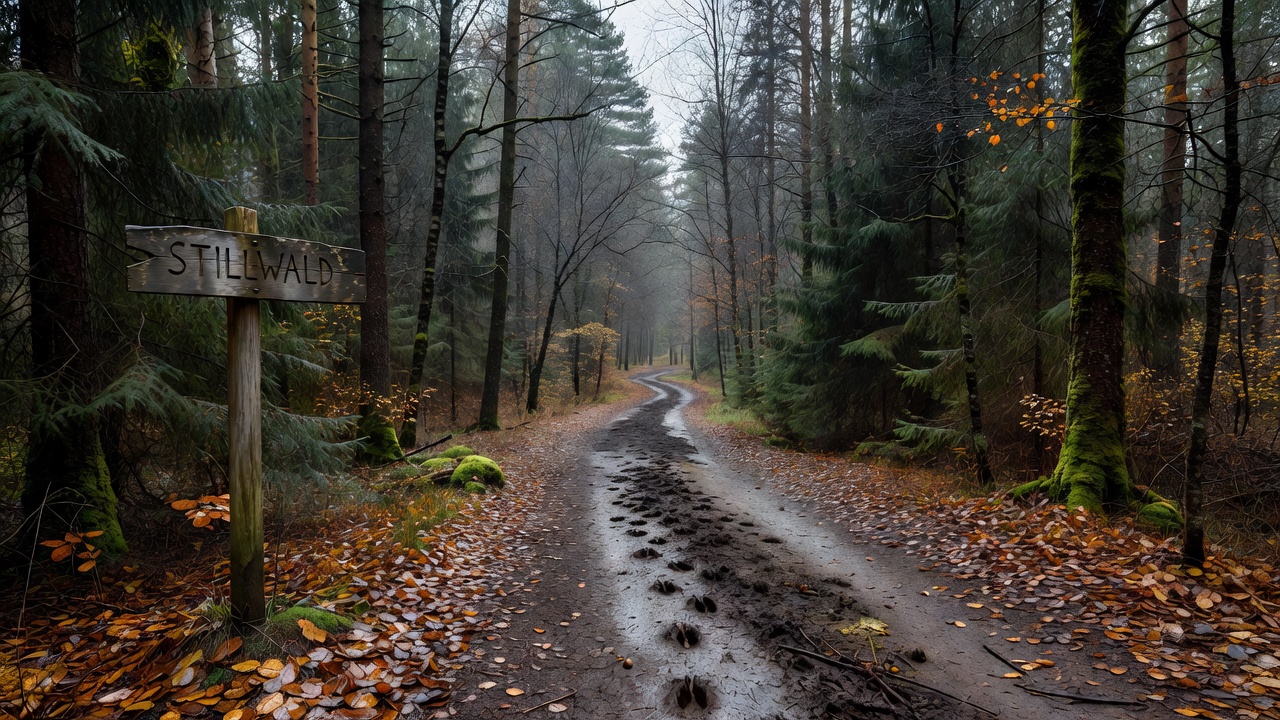
The recent wildlife census in Stillwald Forest has brought to light a concerning decline in deer populations. According to the report released by forest authorities, the number of deer has decreased by approximately twenty five percent over the last twelve months. This finding is based on comprehensive surveys carried out across various regions of the forest. Teams recorded fewer sightings of both red and roe deer species during the multi week effort.
Methodology of the Census
Biologists and volunteers participated in the census using a combination of trail cameras, aerial drones, and ground tracking techniques. They covered more than two hundred square kilometers of terrain, recording observations during both day and night hours to ensure accuracy. The results indicated lower densities particularly among younger deer, suggesting possible issues with reproduction rates. Environmental changes such as drier summers have affected the availability of food sources like berries and leaves, which may be contributing to the population drop. Additionally, the presence of wolves in neighboring areas has increased, potentially leading to higher predation levels on deer. Data comparisons with surveys from prior years confirm a steady downward trend concentrated in eastern sectors where habitat fragmentation from development is most evident.
Ecological Consequences and Future Plans
The decline in deer could have ripple effects throughout the ecosystem of Stillwald Forest. With fewer herbivores, certain plant species might proliferate unchecked, altering the balance of flora and fauna. Birds and insects that rely on deer grazed areas may face challenges. Forest management teams are considering measures such as controlled burns to maintain habitats and supplemental feeding during harsh winters. Ongoing research will focus on genetic diversity within the remaining deer herds to assess long term viability. Public awareness campaigns are also being prepared to educate visitors about responsible behavior in the forest to minimize disturbances. These efforts aim to stabilize the populations and preserve the natural heritage of the area for future generations. Additional monitoring stations will be installed next season to track recovery progress.