Katja Lange · 31 August 2026
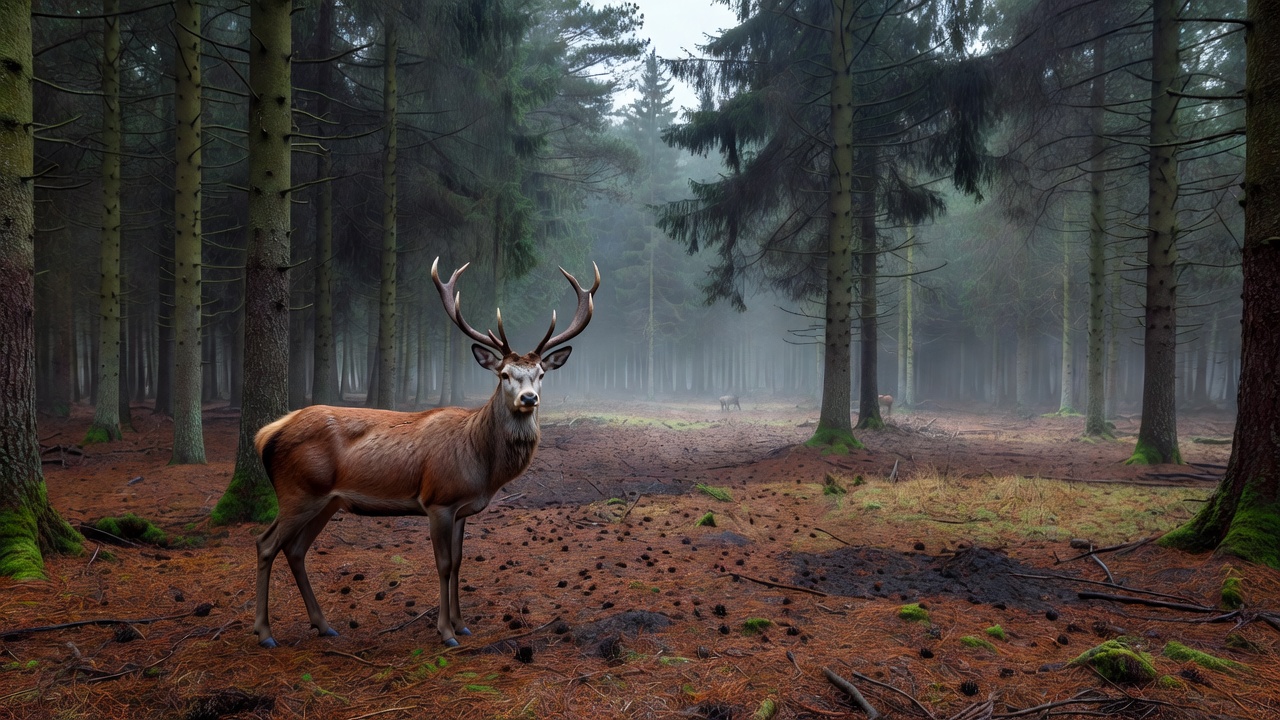
Recent wildlife census conducted across Stillwald Forest has documented a clear decline in deer populations. Teams surveyed multiple zones using camera traps and field counts over six months. Results indicate the total number of deer has fallen from approximately twelve hundred five years ago to roughly eight hundred today. This thirty percent reduction has prompted discussions among biologists and forest managers about long term ecosystem health.
Survey Methodology and Key Findings
Researchers placed infrared cameras at more than fifty strategic sites to capture deer activity during peak hours. Ground teams recorded tracks droppings and direct sightings at dawn and dusk. Data showed younger deer were hit hardest while adult numbers remained steadier. Limited forage due to changing vegetation patterns and rising human activity near forest edges were noted as contributing elements. Cross checks with records from adjacent woodlands revealed milder but similar downward trends. The final report stresses urgent monitoring to avoid further losses in coming seasons.
Ecosystem Effects and Planned Responses
Fewer deer could shift the forest balance by allowing certain plants to spread unchecked while reducing food sources for predators such as foxes and occasional wolves. Overgrowth may alter habitats for birds and small mammals. Officials propose habitat restoration through selective clearing and new vegetation planting. Additional rules on visitor access and logging near core areas are under review. Partnerships with research institutions will track recovery progress over the next three years. These steps aim to stabilize numbers and preserve Stillwald biodiversity for future generations.